
Discover the Cocoa World, which combines many topics.
About the processing and variety of cocoa flavors
Cocoa has long since ceased to belong only to children and is no longer divided into morning and evening, in a dotted or striped mug and cocoa for Christmas or with a cake. This ancient treasure of pre-Hispanic cultures from the heart of Latin America is becoming an increasingly sought-after and desired ingredient not only among experts in healthy nutrition, but also connoisseurs, experts in premium and exclusive foods. And of course, there is no cocoa like cocoa!
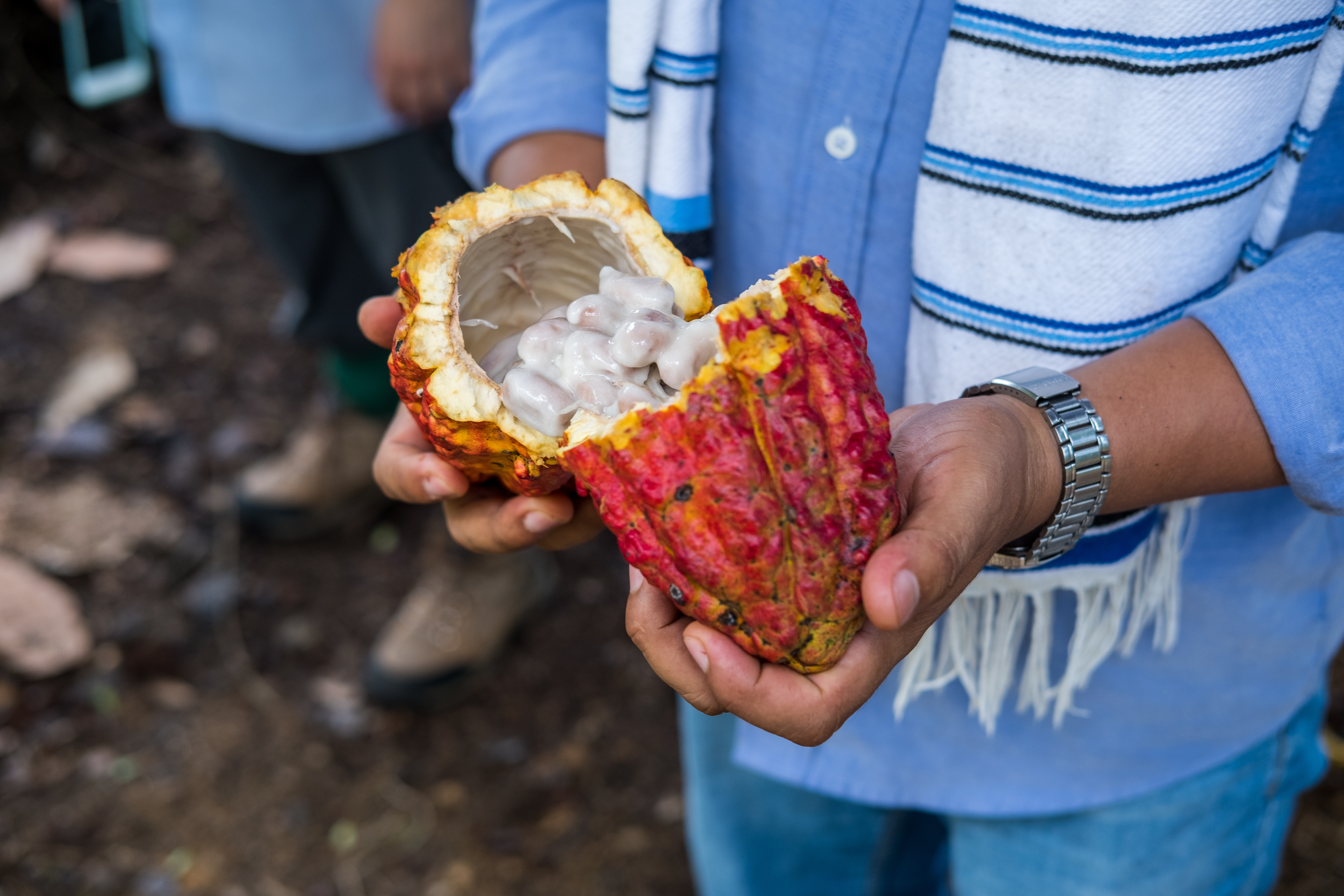
We present to you a new alternative to a cup of coffee, delicious and beneficial varietal cocoa. Thanks to the amount of magnesium and the presence of a very interesting substance theobromine, a cup of real cocoa will excite us, concentrate us and even trigger the production of endorphins, so we will feel happier. Cocoa beans have been known for their exceptional health benefits and stimulating effect since the time of the Mayans. Many studies have shown that cocoa is a source of many antioxidants, which have a beneficial effect on our heart and a strong anti-inflammatory effect on our entire body. Just like fine coffee, which is experiencing significant changes at the growing level during the third coffee wave, cocoa also differs in its flavor profile depending on the country of origin, region, variety, processing method and even the farm where it was grown. The resulting flavor of the beans, just like coffee, fully reflects the ripeness of the cocoa fruit, the drying and fermentation technique, the mineral composition of the soil on which the profile itself was grown, and of course the degree of roasting.
Among the experiential flavor profiles we can taste the hazelnut and caramel tones of cocoa beans from the Arauca region in Colombia, or a slightly lighter flavor profile, with a high sweetness of stone fruit from the renowned growing region of Tolima. A fresh, acidic cocoa bean profile with notes of berry and citrus fruits from the Santander region, or an herbal, even earthy, woody profile with hints of dried fruit and walnuts from Córdoba. Exceptional cocoa beans from well-known growing regions - Caquetá, located in the southern part of Colombia with a full, nutty profile with low acidity and cocoa from the Tolimá region, located a little further north, in whose distinctly sweet flavor profile we find notes of berries and dried fruits. Thanks to the different region and roasting profile, both cocoa, Caquetá and Tolimá, present a taste contrast to each other, while Tolimá is perfectly suited as an alternative to classic espresso, i.e. for preparation in water, so-called. cacao shot, where its acidity and juicy flavor profile stand out, while Caquetá, with its full and pronounced cocoa flavor, is perfectly complemented by the milky texture.
Not only are these flavor-aromatic precursors as exciting from a sensory perspective as cupping a fresh harvest of citrus-herbal Ethiopia, or a distinctly juicy Kenya with a taste of tropical fruit, they are no less interesting from a social perspective. Cocoa, which is imported from fertile Colombian plantations, is traceable to a specific farmer and a specific processing technique, which is unique to each farm or processing station. A unique Slovak project cooperates with farmers from post-conflict areas of Colombia, who previously grew coca and opium. Thanks to the triple market price of cocoa, which they offer to growers within the framework of direct-trade relationships, they enable them to change to a safer life without bloodshed and narcobusiness.